
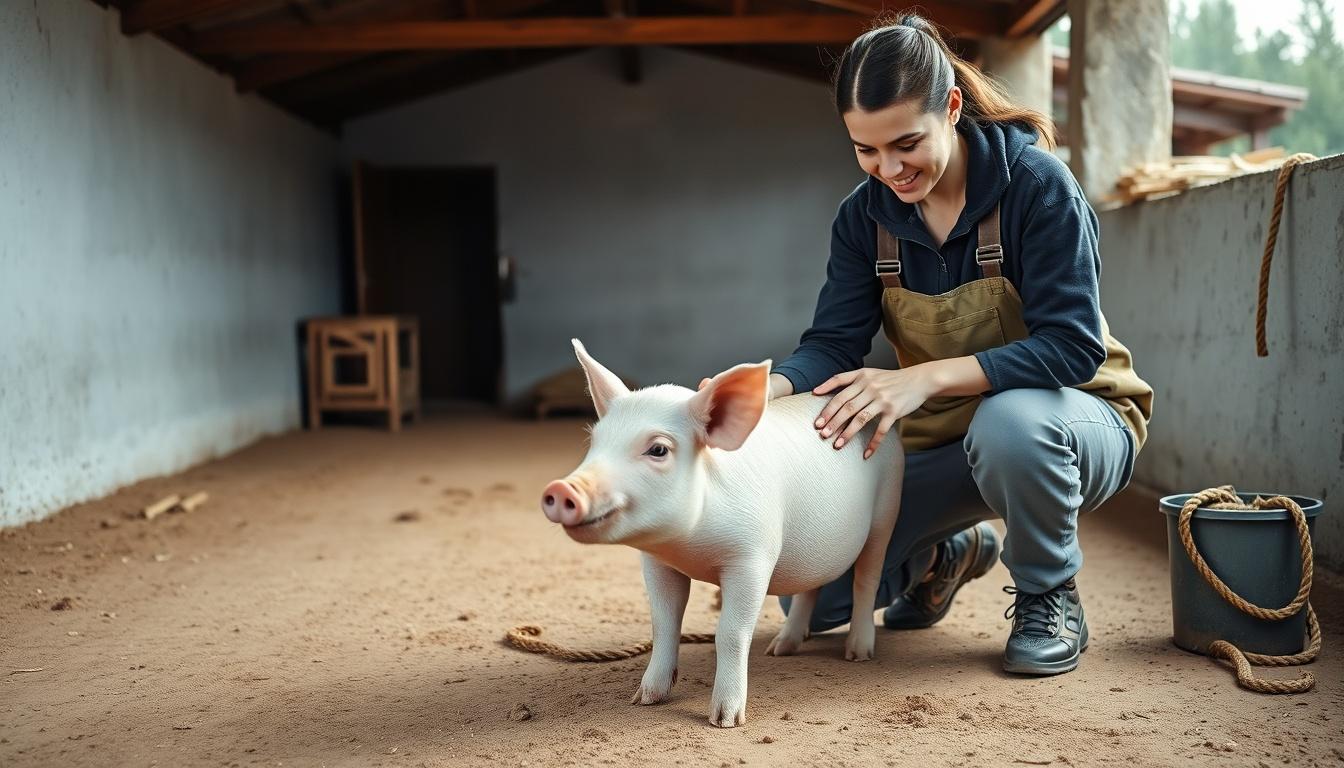
Practical Notes From the Training Pen
Good training starts with timing, consistency, and a calm approach. Whether you are working with pets or small farm animals, short sessions usually work better than long ones. Watch how the animal responds, then adjust your pace instead of forcing a result.
Clear routines make handling easier. Feed, exercise, and training at roughly the same times each day help animals understand what comes next. That kind of predictability can reduce stress and make basic tasks feel more manageable for both the handler and the animal.
Real-world tips for calmer handling and better daily routines.
This article shares simple lessons from hands-on animal care, with a focus on steady progress and realistic expectations.
Care matters just as much as training. A comfortable space, clean equipment, and regular checks for changes in behavior all support better learning. Small issues like fatigue, hunger, or distraction can affect progress more than people expect.
The best results usually come from patience and observation. I prefer practical methods that can be repeated at home or on a hobby farm without special tools. If something is not working, it is often better to simplify the task than to push harder.